
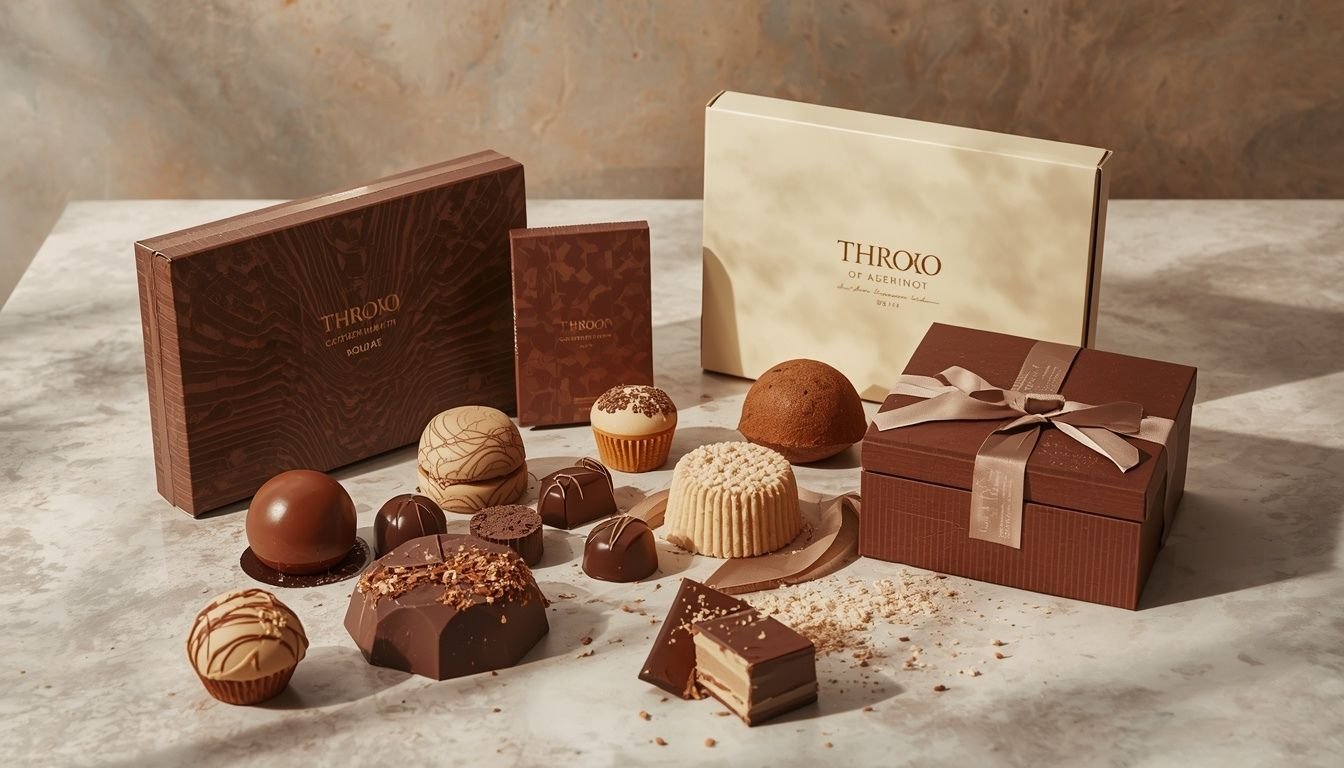
Small luxury food businesses need more than attractive food photography to build a recognizable brand and generate consistent sales. They need content that communicates product quality, creates desire and gives potential customers a reason to choose their products over ordinary alternatives.
An effective instagram reels strategy small luxury food business growth should focus on three things: premium brand perception, audience trust and customer acquisition.
Whether you sell handcrafted chocolates, specialty cakes, gourmet gift boxes, artisan desserts, premium coffee or small-batch food products, Reels can help introduce your products to new customers without requiring a large advertising budget.
The challenge is knowing what to film, what makes a premium product look valuable on camera and how to turn attention into actual purchases.
A practical strategy starts with your product’s strongest selling points and builds repeatable video content around them.
Key Takeaways
- Showcase product quality and craftsmanship instead of relying on promotional videos.
- Use Reels to communicate premium value through ingredients, presentation, packaging and brand identity.
- Create repeatable content formats that fit your production schedule and budget.
- Track customer actions such as profile visits, inquiries, website clicks and orders rather than focusing only on views.
- Connect every Reel to a clear next step that makes purchasing easier.
Why Reels Matter for Small Luxury Food Brands
Luxury food products are purchased for more than taste. Customers also consider presentation, craftsmanship, ingredients, convenience and the experience of giving or enjoying the product.
A customer buying a $65 artisan chocolate gift box may want to know:
- What makes the chocolate different?
- Are the ingredients carefully selected?
- Does the packaging feel suitable for gifting?
- Is the product handmade or mass-produced?
- Will the finished product look as good as the video?
Reels give you an opportunity to answer these questions visually.
Build perceived value before promoting the price
A premium food product needs a premium presentation.
Instead of immediately showing the price of a specialty dessert, show the process behind it.
For example:
- Close-up footage of carefully selected ingredients.
- Chocolate being tempered and poured into molds.
- Individual desserts being decorated by hand.
- Gift boxes being assembled and wrapped.
- The finished product presented in elegant packaging.
These details help customers recognize the work and attention behind the product.
Reach customers beyond existing followers
A well-structured Reel can introduce your business to people who have never visited your profile.
This matters for small brands that are still building an audience.
However, reaching thousands of people is not the only objective. A luxury bakery in New York City needs relevant local customers more than random viewers from across the country.
Your content should communicate both what you sell and where customers can purchase it.
7 Content Pillars for Luxury Food Business Reels
Creating a different concept for every video can become difficult for a small business owner. A better approach is to develop repeatable content pillars.
Each pillar serves a different purpose in the customer’s buying journey.
1. Product Presentation and Visual Reveals
This content creates the first impression.
Show the finished product using close-up shots, natural movement and carefully selected backgrounds.
Ideas include:
- A slow reveal of a luxury dessert box.
- A close-up of a cake being sliced.
- A collection of handcrafted chocolates.
- A premium coffee pour.
- A beautifully arranged gourmet gift basket.
Example opening text:
“Not your ordinary chocolate gift box.”
The video should immediately show the product rather than starting with a logo or a long introduction.
2. Behind-the-Scenes Craftsmanship
Premium pricing needs a clear reason.
Behind-the-scenes videos help customers understand the effort and skill involved in making your products.
Show:
- Ingredient preparation.
- Hand-finishing and decorating.
- Small-batch production.
- Quality checks.
- Fresh packaging.
- Final product preparation.
For example, a bakery selling handmade celebration cakes could create a Reel showing the process from an undecorated cake to the finished design.
This gives potential customers a better understanding of the work behind the final product.
Only describe a product as handmade, small-batch or made with premium ingredients when those claims accurately reflect the business.
3. Ingredient Quality and Product Education
Customers may not immediately understand why one product costs more than another.
Use Reels to explain the differences without sounding defensive about your prices.
Useful topics include:
- What makes a particular chocolate variety different.
- Why certain ingredients are selected.
- How fresh ingredients affect the finished product.
- What makes a specialty coffee blend distinctive.
- Why a particular dessert requires more preparation.
Keep each video focused on one subject.
A 20-second Reel explaining one ingredient is generally easier to follow than a video attempting to explain the entire production process.
4. Packaging and Unboxing Experiences
Packaging is particularly important for businesses selling premium gifts.
Customers want to know what they will receive when the order arrives.
Create videos showing:
- Opening the finished gift box.
- Arranging individual products.
- Adding ribbons and branded packaging.
- Preparing corporate gift orders.
- Presenting a seasonal collection.
This content is especially useful before Valentine’s Day, Mother’s Day, Christmas and other gifting occasions.
It also helps customers imagine the experience of giving your product to someone else.
5. Customer Experiences and Social Proof
People often want reassurance before purchasing from an unfamiliar food brand.
Customer-focused Reels can help reduce uncertainty.
Consider sharing:
- Customer unboxing videos.
- Genuine customer feedback.
- Repeat customer orders.
- Special occasion deliveries.
- Customer reactions with permission.
- Photos or videos submitted by buyers.
Avoid making every customer Reel look like a scripted advertisement.
Authentic feedback and real product experiences are more useful than exaggerated testimonials.
6. Founder Story and Brand Personality
A luxury food brand should feel recognizable beyond its products.
Customers may want to know who makes the products, what inspired the business and what standards guide its work.
Create short videos featuring:
- Why the founder started the business.
- The inspiration behind a signature product.
- A typical production day.
- Decisions behind ingredient selection.
- New product development.
- The people involved in production.
A founder does not need to appear in every video. Voiceovers and natural behind-the-scenes footage can communicate the same story.
7. Seasonal Collections and Limited Releases
Seasonal content gives customers a reason to pay attention to your latest products.
Examples include:
- Valentine’s Day chocolate collections.
- Mother’s Day dessert boxes.
- Thanksgiving gourmet gift baskets.
- Christmas specialty cakes.
- Summer dessert collections.
- Limited-edition specialty flavors.
Make the availability clear.
If a product is genuinely available in limited quantities, explain the order deadline or collection period. Avoid artificial scarcity.
How to Film Luxury Food Reels Without Expensive Equipment
Professional equipment is not a requirement for creating attractive food videos.
A modern smartphone, suitable lighting and a clean filming setup can be enough for a small food business.
The important part is controlling the visual environment.
Use lighting that makes food look natural
Lighting can change how a product looks on camera.
For most food products:
- Use soft daylight near a window.
- Avoid harsh overhead lighting.
- Position the product where its texture is visible.
- Avoid strong reflections on glossy packaging.
- Check that the product’s actual color looks accurate.
For darker luxury products such as chocolate and specialty coffee, controlled side lighting can create depth.
For colorful desserts, softer lighting can help preserve the appearance of fresh ingredients.
Choose backgrounds that match your brand
Your filming background should support the product rather than compete with it.
| Brand positioning | Suitable backgrounds |
|---|---|
| Luxury chocolates | Dark stone, neutral fabric, wood |
| Artisan bakery | Natural wood, cream surfaces, linen |
| Premium desserts | Marble, soft beige, neutral colors |
| Gourmet gift boxes | Clean tables, elegant wrapping |
| Specialty coffee | Dark wood, ceramic surfaces |
Use a consistent visual style across your videos.
This helps people recognize your brand when they encounter another Reel.
Capture multiple angles
A single product can produce several useful clips.
Try these shots:
- Wide shot showing the complete product.
- Close-up showing texture and detail.
- Side angle showing layers or filling.
- Preparation footage showing craftsmanship.
- Final shot showing the product in its packaging.
Record short clips separately and combine the best moments during editing.
Avoid unnecessary transitions. Clean cuts often work better for premium food presentation.
Create Strong Reel Hooks That Attract the Right Customers
The opening moment gives viewers a reason to continue watching.
A slow introduction can make people scroll away before they see the product.
Instead, begin with the most interesting visual or a specific customer benefit.
Here are practical hooks for different luxury food businesses.
| Business type | Reel opening hook |
|---|---|
| Luxury bakery | “The details behind every handcrafted cake.” |
| Artisan chocolates | “Every piece has its own little detail.” |
| Gourmet gift boxes | “A gift worth opening slowly.” |
| Specialty coffee | “For people who take their coffee seriously.” |
| Premium desserts | “The inside is just as beautiful as the outside.” |
| Custom cakes | “From a simple idea to a celebration centerpiece.” |
| Artisan food products | “Made in small batches with attention to every detail.” |
Use three types of hooks
Visual hooks
Start with a chocolate pour, a cake cutting, a filling reveal or an elegant unboxing moment.
Curiosity hooks
Give viewers a reason to stay.
For example:
“What makes this chocolate collection different?”
Then explain the actual product difference.
Customer-focused hooks
Address a specific buying need.
For example:
“Looking for a thoughtful corporate gift?”
Show the available gift options and explain the ordering process.
The best hook is one that attracts the audience most likely to purchase your product.
How to Structure a Reel That Turns Attention Into Orders
A beautiful video can attract attention without generating sales.
To make your content more useful commercially, give every Reel a clear structure.
A practical product Reel can follow four stages.
- Opening visualShow the most attractive product detail immediately.
- Product valueExplain the ingredients, craftsmanship, presentation or benefit.
- Buying contextShow the product size, packaging, occasion or available options.
- Clear next stepTell viewers where to order, inquire or visit.
Example: Luxury chocolate gift box
A 20-second video could follow this sequence:
| Time | Video | On-screen text |
|---|---|---|
| 0–3 sec | Close-up of finished chocolates | A gift made to impress |
| 3–8 sec | Chocolate preparation | Carefully crafted pieces |
| 8–13 sec | Individual chocolates placed in a box | Thoughtful details in every box |
| 13–17 sec | Finished packaging | Available for gifting |
| 17–20 sec | Brand name and order information | Order through our website |
This structure gives viewers a reason to watch and enough information to consider purchasing.
Build a Weekly Instagram Reels Content Calendar
Small businesses often struggle with consistency because filming and editing compete with daily operations.
A realistic schedule is better than an ambitious one that becomes difficult to maintain.
Start with three Reels per week and adjust based on production capacity and performance.
A practical weekly schedule
| Day | Content type | Primary purpose |
|---|---|---|
| Tuesday | Product presentation | Product discovery |
| Thursday | Behind-the-scenes | Trust and quality |
| Saturday | Customer experience or offer | Purchase interest |
You can also share Stories between publishing days to maintain communication with existing followers.
Batch your content instead of filming every day
Batch production saves time and reduces the pressure of creating something new before every post.
A simple workflow:
Monday: Choose three video concepts and prepare the products.
Tuesday: Capture product shots and preparation footage.
Wednesday: Edit videos and write captions.
Thursday to Saturday: Publish the scheduled Reels and respond to customer inquiries.
Capture additional footage during normal production whenever possible.
One filming session can provide enough clips for several different videos.
For example, a chocolate-making session might produce:
- A product reveal.
- An ingredient-focused Reel.
- A behind-the-scenes video.
- A packaging video.
- A short founder introduction.
This makes content production more efficient without repeatedly staging the same activity.
Instagram Reels Captions, Hashtags and Location Strategy
Your video communicates the visual experience. Your caption provides the information customers need to take action.
Avoid writing long captions that repeat everything already visible in the video.
Write captions around customer questions
A useful caption should explain:
- What the product is.
- What makes it distinctive.
- Who might enjoy or purchase it.
- Where it is available.
- How customers can order.
For example:
“Handcrafted chocolate gift boxes made for thoughtful celebrations. Choose from our signature collection and place your order through our website.”
Keep the wording accurate to the actual product.
Use relevant hashtags
Hashtags should describe the product, category and audience.
For an artisan chocolate business, relevant examples might include:
- #ArtisanChocolate
- #LuxuryChocolate
- #ChocolateGiftBox
- #HandcraftedChocolates
- #GourmetGifts
Avoid using unrelated popular hashtags simply because they have large audiences.
Add location information where relevant
For local food businesses, location context can help potential customers understand where they can purchase the product.
A luxury bakery in Los Angeles could naturally mention:
- Los Angeles bakery.
- Custom cakes in Los Angeles.
- Los Angeles dessert gifts.
Use location tags and local references where they accurately reflect the business’s service area.
For nationwide shipping brands, focus more on product categories, shipping availability and customer interests.
Use Instagram Features to Test and Improve Your Reels
Instagram provides several tools that can support a small business content strategy.
Trial Reels
Trial Reels allow eligible creators to test content with non-followers before deciding whether to share it more broadly.
This can be useful when experimenting with different content styles.
For example, a luxury bakery could test:
- A product-only video.
- A founder voiceover.
- A behind-the-scenes preparation video.
Compare how each performs before making it part of your regular content schedule.
Professional Dashboard
Instagram’s Professional Dashboard includes a Best Practices section with guidance covering content creation, engagement, reach, monetization and account guidelines.
Use the recommendations and account-specific insights available there to improve your publishing decisions.
Instagram Insights
Insights help you evaluate how people interact with your Reels.
Pay particular attention to:
- Accounts reached.
- Average watch time.
- Shares.
- Saves.
- Profile activity.
- Website visits where available.
Do not assume every account has the same feature availability or reporting options.
How to Measure Whether Reels Are Growing Your Food Business
Views alone cannot tell you whether your strategy is generating business value.
A Reel with 30,000 views and no meaningful customer inquiries may be less valuable than a Reel with 2,000 views that generates several relevant orders.
Measure performance according to your actual business objectives.
Track the customer journey
Reel discovery
People encounter your product video.
Profile visit
Interested viewers check your brand.
Product inquiry
Potential customers ask about products or availability.
Purchase
The customer completes an order.
Your Instagram strategy should make this journey as simple as possible.
Important performance metrics
| Metric | What it tells you |
|---|---|
| Reach | How many unique accounts saw the Reel |
| Average watch time | Whether the video holds attention |
| Shares | Whether viewers find it worth sending to others |
| Saves | Whether viewers want to revisit the content |
| Profile visits | Whether the video creates interest in your brand |
| Website clicks | Whether viewers move toward purchasing |
| Inquiries | Whether potential customers are considering an order |
| Orders | Whether the content contributes to actual sales |
Where possible, use unique links, discount codes or order-source questions to identify which content contributes to purchases.
Review results every month
Compare your best-performing Reels by content type.
For example:
- Product reveals may generate more reach.
- Ingredient videos may receive more saves.
- Packaging videos may generate more product inquiries.
- Customer videos may create stronger buying interest.
These are possible patterns rather than guaranteed outcomes.
Use your own account data to identify what your audience actually responds to.
Which Reels Strategy Fits Your Luxury Food Business?
Not every luxury food business should follow the same content approach.
A custom cake studio has different customer needs from a specialty coffee brand or an artisan chocolate company.
Your product, audience, purchasing process and production capacity should determine your content priorities.
Choose content according to your business model
| Business model | Recommended priority | Why it matters |
|---|---|---|
| Custom cakes | Design process and finished reveals | Customers want to evaluate quality and customization |
| Artisan chocolates | Craftsmanship and packaging | Product detail and gifting presentation support perceived value |
| Gourmet gift boxes | Unboxing and seasonal collections | Customers want to understand the complete gifting experience |
| Specialty coffee | Preparation and ingredient education | Customers want product and quality information |
| Premium bakery | Fresh production and product presentation | Freshness and visual appeal influence buying interest |
| Nationwide food brand | Product education and customer experiences | Customers need confidence before ordering remotely |
Should you create aesthetic Reels or educational Reels?
Both have value, but they solve different problems.
Choose aesthetic Reels when:
- Your product depends heavily on visual appeal.
- You sell premium gifts or celebration products.
- Your brand relies on presentation and design.
- You want to introduce products to new audiences.
Choose educational Reels when:
- Customers do not understand your product differences.
- Your ingredients or production process justify premium pricing.
- You receive repeated questions about quality.
- Your product requires explanation before purchase.
Choose customer-focused Reels when:
- Your business needs more purchase confidence.
- You have genuine customer feedback available.
- Your products are unfamiliar to potential buyers.
- You want to demonstrate real customer experiences.
A balanced strategy uses all three rather than relying on one content type.
Should you manage Reels yourself or hire a content creator?
This decision depends on your available time, production requirements and desired creative quality.
| Factor | In-house content | Freelance creator |
|---|---|---|
| Initial investment | Usually lower | Usually higher |
| Creative control | Direct | Depends on agreement |
| Production consistency | Depends on available time | Can be more structured |
| Brand knowledge | Usually stronger | Requires briefing |
| Professional filming | Depends on equipment and skills | Depends on creator’s capabilities |
| Best suited for | Small businesses with regular access to products | Businesses needing specialized production |
You do not necessarily need a full-time social media manager to build a useful Reels strategy.
A business owner can capture everyday production footage while hiring a freelancer for occasional product photography or more polished campaign videos.
Before hiring someone, review their actual food and product video portfolio.
Ask whether editing, captions, revisions, filming and content planning are included. Also clarify who owns the original footage and finished videos.
What should a small luxury food business prioritize first?
If your resources are limited, prioritize these areas in order:
- Product quality and presentation: Make sure the product looks accurate and appealing.
- Clear brand identity: Use consistent visual styling, messaging and packaging.
- Repeatable video production: Create content without disrupting daily operations.
- Customer confidence: Answer questions about ingredients, availability and ordering.
- Conversion tracking: Identify which content generates genuine business interest.
Do not invest heavily in equipment or expensive production before understanding which content formats attract your actual customers.
A simple smartphone-based strategy can help you test ideas before increasing your marketing budget.
A 30-Day Instagram Reels Growth Plan for a Small Luxury Food Brand
The first month should focus on testing content formats and establishing a sustainable publishing routine.
Rather than expecting immediate sales growth, use the first 30 days to identify which videos attract relevant viewers and encourage meaningful actions.
| Period | Main activity | Content focus |
|---|---|---|
| Days 1–7 | Establish your visual identity | Product reveals and brand introduction |
| Days 8–14 | Communicate product value | Ingredients and craftsmanship |
| Days 15–21 | Build customer confidence | Packaging and customer experiences |
| Days 22–30 | Improve conversion | Product availability and ordering information |
Week 1: Establish your premium brand identity
Start with your strongest products.
Create videos showing your product range, presentation and distinctive features.
Check that your Instagram bio clearly explains what you sell and how customers can order.
Week 2: Explain why your products are different
Introduce ingredient-focused videos and behind-the-scenes footage.
Answer the questions customers commonly ask before purchasing.
Week 3: Demonstrate the customer experience
Show packaging, order preparation and genuine customer feedback.
If you have customer-submitted content, obtain permission before publishing it.
Week 4: Focus on customer acquisition
Create videos featuring popular products, seasonal collections or genuine availability updates.
Include direct ordering information and review the results of the previous three weeks.
At the end of the month, identify the formats that generated the strongest combination of attention, profile activity and customer inquiries.
Use those findings to plan the next month.
FAQs
1. How often should a small luxury food business post Instagram Reels?
Start with two or three Reels per week. This provides enough opportunities to test different content formats without creating an unrealistic production schedule. Increase publishing frequency only when your business can maintain quality and consistency.
2. What type of Instagram Reels work best for luxury food brands?
Product reveals, behind-the-scenes craftsmanship, ingredient education, packaging videos and customer experiences are useful formats. The best combination depends on your product and customer buying behavior.
3. Can Instagram Reels help a small luxury food business get more orders?
Yes. Reels can introduce products to new audiences and create interest in your brand. However, purchases also depend on product quality, pricing, availability, customer confidence and a straightforward ordering process.
4. What is the best Instagram Reels strategy small luxury food business growth?
The most useful approach combines premium product presentation, educational content, authentic brand storytelling and clear purchase information. Track customer inquiries and orders to identify which formats contribute to business growth.
5. Do luxury food businesses need professional cameras for Instagram Reels?
No. A modern smartphone can produce suitable video content. Good lighting, stable footage, clean backgrounds and thoughtful product presentation are more important starting points than expensive camera equipment.
6. Should luxury food brands use trending audio?
Trending audio can be useful when it fits the brand and product. However, it should not distract from the food or make the brand feel inconsistent. Original audio, natural preparation sounds and suitable background music can also work well.
7. How long should Instagram Reels be for a food business?
There is no universal ideal length. A short product reveal may need only a few seconds, while a detailed preparation video may need more time. Keep each video as long as necessary to communicate its message without unnecessary footage.
8. How can a small food business measure Instagram Reels ROI?
Track relevant inquiries, website visits, attributed orders and revenue alongside Instagram Insights. Use trackable links or ask customers where they discovered your business. This helps distinguish general engagement from measurable commercial results.
9. Can a luxury food business grow on Instagram without paid advertising?
Yes. A business can build an organic audience through original content, consistent publishing, customer engagement and relevant collaborations. However, organic growth is not guaranteed and can take time. Paid promotion may become useful once you identify content that already attracts the right audience.
10. What should a luxury food business put in its Instagram bio?
Include your brand identity, product category, location or shipping coverage and a clear ordering route. Customers should be able to understand what you sell and where to purchase it without searching through multiple posts.